
Gochujang: What Is It? The Viral Korean Chili Paste Explained + How to Use It
Last Updated on August 24, 2026 by Fatima
If you love Korean food, you have probably come across gochujang. This thick, red Korean chili paste is one of the key ingredients behind the bold, spicy, slightly sweet flavor found in many popular Korean dishes.
But what exactly is gochujang? What does it taste like, how spicy is it, and how can you use it at home?
In this guide, you’ll learn everything you need to know about Korean gochujang, including its ingredients, flavor, uses, substitutes, storage tips, and easy ways to add it to everyday meals.
What Is Gochujang?
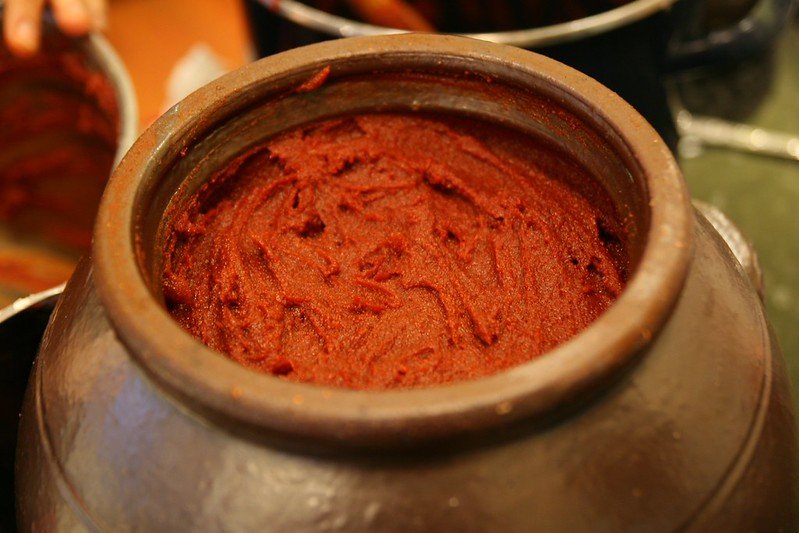
Gochujang is a traditional Korean fermented chili paste made primarily from red chili powder, glutinous rice, fermented soybean powder, and salt.
It has a thick, smooth texture and a deep red color. Unlike many hot sauces, gochujang isn’t simply spicy. It has a complex combination of spicy, sweet, savory, salty, and slightly fermented flavors.
Gochujang is commonly used in Korean cooking to add depth and richness to dishes such as bibimbap, tteokbokki, Korean fried chicken, stews, marinades, dipping sauces, and noodles.
Because of its concentrated flavor, a small amount can make a big difference in a recipe.
What Does Gochujang Taste Like?
Gochujang has a unique flavor that is difficult to compare with ordinary chili sauce.
Its flavor is usually:
- Spicy
- Slightly sweet
- Salty
- Deeply savory
- Slightly fermented
- Rich and earthy
The sweetness helps balance the chili heat, while fermentation gives gochujang its distinctive savory depth.
If you enjoy ingredients such as chili paste, miso, or other fermented sauces, you may find gochujang especially delicious.
Is Gochujang Very Spicy?
Gochujang is spicy, but its heat level can vary depending on the brand and variety.
It generally has a moderate level of heat, combined with noticeable sweetness and umami. This makes it different from a simple hot pepper sauce, where the main purpose is often to provide heat.
If you’re trying gochujang for the first time, start with a small amount and increase it according to your taste.
What Is Gochujang Made Of?
Traditional gochujang is made using a combination of ingredients that are fermented over time.
Common ingredients include:
- Korean red chili powder
- Glutinous rice
- Fermented soybean powder
- Salt
- Fermentation cultures
Commercial versions may contain additional ingredients such as sweeteners or other seasonings, so it’s always a good idea to check the ingredient label if you have specific dietary requirements.
Gochujang vs. Gochugaru: What’s the Difference?
Gochujang and gochugaru are both important Korean ingredients, but they are not the same thing.
Gochujang is a fermented chili paste with a thick consistency and a complex spicy-sweet-savory flavor.
Gochugaru is Korean red pepper powder or flakes. It is commonly used to add chili flavor and color to Korean dishes.
In simple terms:
| Gochujang | Gochugaru |
|---|---|
| Thick chili paste | Chili powder or flakes |
| Fermented | Usually not fermented |
| Spicy, sweet and savory | Mainly spicy and fruity |
| Used in sauces, marinades and dishes | Used as seasoning and in kimchi |
| Contains several ingredients | Primarily dried Korean chili |
They can sometimes be used together, but they aren’t direct substitutes for one another.
How to Use Gochujang
One of the best things about gochujang is its versatility.
You can use it in much more than traditional Korean recipes.
1. Make a Gochujang Sauce
Mix gochujang with ingredients such as soy sauce, rice vinegar, sesame oil, garlic, and a little sweetener to create a quick sauce.
Use it as a dipping sauce, noodle sauce, or drizzle over vegetables and rice.
2. Add It to Noodles
Gochujang can transform ordinary noodles into a spicy and flavorful meal.
Mix it with cooked noodles, sesame oil, garlic, soy sauce, and a little honey or sugar. Add vegetables, chicken, tofu, or a fried egg for a complete meal.
3. Use It as a Marinade
Gochujang works beautifully as a marinade for chicken, beef, tofu, and vegetables.
Combine it with garlic, ginger, soy sauce, sesame oil, and a little sweetener for a flavorful Korean-inspired marinade.
4. Make Gochujang Chicken
Gochujang chicken is an easy way to introduce this Korean ingredient to your kitchen.
The paste creates a flavorful coating that becomes deliciously savory, spicy, and slightly caramelized when cooked.
5. Add It to Rice Bowls
A spoonful of gochujang can instantly make a simple rice bowl more exciting.
Try combining:
- Cooked rice
- Sautéed vegetables
- Gochujang
- Fried or boiled egg
- Sesame seeds
- Sliced green onions
This is an easy meal for busy days.
6. Use It in Soups and Stews
Gochujang can add depth and heat to soups, broths, and stews.
Start with a small amount and adjust the seasoning as you cook.
Easy Gochujang Sauce Recipe
If you’re wondering how to use gochujang for the first time, this simple sauce is a great place to start.
Ingredients
- 2 tablespoons gochujang
- 1 tablespoon soy sauce
- 1 tablespoon rice vinegar
- 1 teaspoon sesame oil
- 1 teaspoon honey or sugar
- 1 small garlic clove, finely minced
- 1–2 teaspoons water, as needed
- Sesame seeds, optional
Instructions
- Add gochujang, soy sauce, rice vinegar, sesame oil, honey, and minced garlic to a small bowl.
- Mix until smooth.
- Add a little water if the sauce is too thick.
- Taste and adjust the sweetness or spice.
- Sprinkle with sesame seeds if desired.
- Serve with noodles, rice, vegetables, chicken, tofu, or as a dipping sauce.
What Can You Substitute for Gochujang?
If you don’t have gochujang, you can make a quick substitute using ingredients you may already have.
A simple combination can include:
- Chili paste or chili sauce
- Miso paste
- A little honey or sugar
- Soy sauce
Keep in mind that a homemade substitute will not have exactly the same fermented flavor as authentic gochujang.
For recipes where gochujang is the main flavor, using actual gochujang will usually give the best result.
Is Gochujang Gluten-Free?
Not all gochujang is gluten-free.
Traditional and commercial products can contain ingredients derived from wheat, and formulations vary between brands.
If you need to avoid gluten, look for a product specifically labeled gluten-free and check the ingredient and allergen information carefully.
How Should You Store Gochujang?
Gochujang should generally be stored according to the manufacturer’s instructions.
Once opened, many commercially packaged gochujang products are refrigerated. Always check the label on your specific product.
Use a clean spoon whenever you take gochujang from the container and keep the lid tightly closed.
How Long Does Gochujang Last?
Because gochujang is a fermented product, it can have a relatively long shelf life. However, the exact storage time depends on the product, packaging, and storage conditions.
Rather than relying only on a general time period, check the manufacturer’s best-before or expiration date and follow the storage instructions on the package.
If you notice unusual mold, an unpleasant smell, or other obvious signs of spoilage, discard the product.
Gochujang Recipe Ideas to Try
Once you have a container of gochujang in your refrigerator, there are plenty of ways to use it.
Try making:
- Gochujang chicken
- Spicy Korean noodles
- Gochujang roasted vegetables
- Korean-inspired rice bowls
- Gochujang tofu
- Spicy cucumber salad
- Korean-style dipping sauce
- Gochujang fried rice
- Spicy chicken wings
- Gochujang-glazed salmon
You can also experiment by adding a small spoonful to sauces, marinades, soups, and stir-fries.
Frequently Asked Questions About Gochujang
What is gochujang used for?
Gochujang is used to add spicy, sweet, savory, and fermented flavor to Korean dishes and many modern recipes. It works well in sauces, marinades, noodles, rice bowls, soups, stews, and vegetable dishes.
Is gochujang the same as chili paste?
Not exactly. Gochujang is a specific Korean fermented chili paste made with ingredients such as Korean chili powder, glutinous rice, fermented soybean powder, and salt.
Can I eat gochujang without cooking it?
Yes. Gochujang can be used directly from the container in sauces, dips, marinades, and other preparations. However, follow the storage instructions on the product after opening.
Is gochujang sweet or spicy?
Gochujang is both spicy and slightly sweet. It also has salty, savory, and fermented notes, which give it a much more complex flavor than ordinary hot sauce.
What is the best substitute for gochujang?
A mixture of chili paste, miso, soy sauce, and a little honey or sugar can provide a similar balance of spicy, savory, and sweet flavors. However, it will not taste exactly like authentic gochujang.
Can I use gochujang in non-Korean recipes?
Absolutely. Gochujang is versatile and can be used in tacos, burgers, roasted vegetables, noodles, sandwiches, marinades, dips, rice bowls, and more.
Final Thoughts
Gochujang is much more than a spicy Korean chili paste. Its combination of heat, sweetness, umami, saltiness, and fermentation makes it one of the most versatile ingredients you can keep in your kitchen.
If you’re new to gochujang, start with a simple sauce or noodle dish. Once you get familiar with its flavor, you can use it in marinades, rice bowls, soups, vegetables, chicken, seafood, and countless other dishes.
Whether you’re making traditional Korean food or simply looking for a way to add more flavor to everyday meals, gochujang is an ingredient worth trying.