
Salmon Roll Recipe: Easy Homemade Sushi Rolls
Last Updated on September 25, 2026 by Fatima
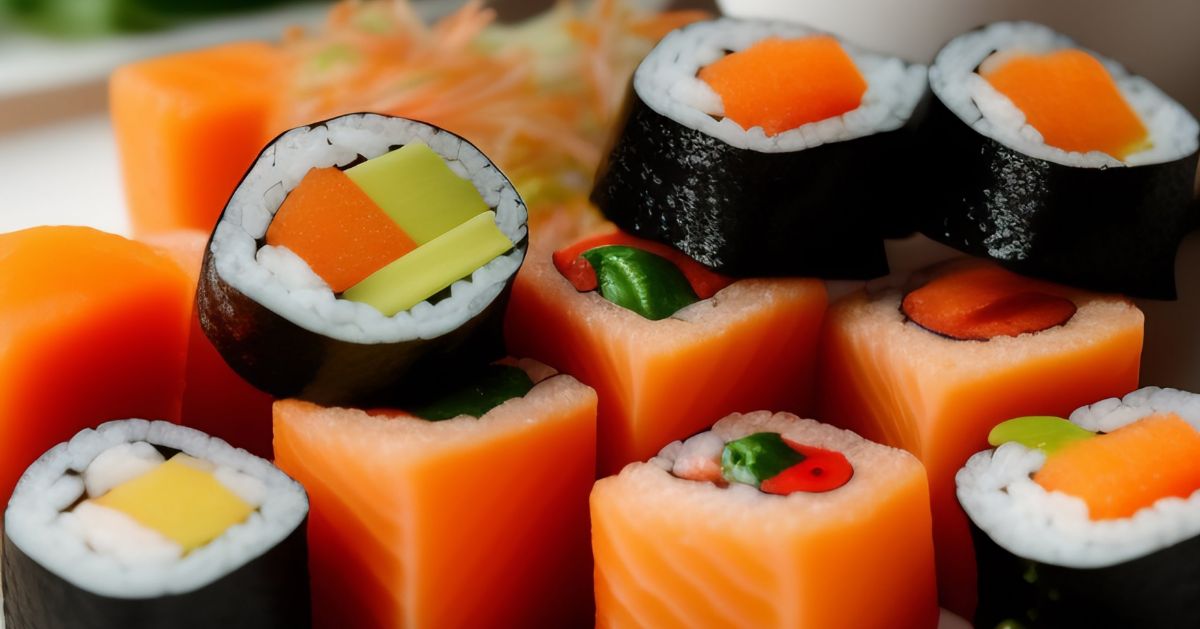
If you love sushi, this Salmon Roll Recipe is an easy and delicious way to make restaurant-style sushi at home. Made with fresh salmon, seasoned sushi rice, crisp cucumber, creamy avocado, and nori seaweed, these homemade salmon rolls have a wonderful combination of flavors and textures.
This recipe is simple enough for a homemade sushi night and can be served as an appetizer, light lunch, dinner, or part of a larger sushi platter. Serve the finished rolls with soy sauce, wasabi, and pickled ginger for a classic sushi experience.
What Is a Salmon Roll?
A salmon roll is a type of sushi roll made with salmon, sushi rice, and nori, along with additional fillings such as cucumber and avocado. The ingredients are layered over seasoned sushi rice and rolled tightly using a bamboo sushi mat.
Once rolled, the sushi is sliced into bite-sized pieces and served with traditional accompaniments such as soy sauce, wasabi, and pickled ginger.
Salmon is especially popular in sushi because of its delicate flavor and rich, buttery texture. When paired with crunchy cucumber, creamy avocado, and seasoned rice, it creates a balanced and satisfying sushi roll.
Why You’ll Love This Salmon Roll Recipe
- Easy to make at home with simple ingredients
- Fresh salmon pairs beautifully with avocado and cucumber
- Homemade sushi is perfect for lunch, dinner, or entertaining
- The recipe makes multiple rolls to share
- You can customize the fillings according to your taste
- Soy sauce, wasabi, and pickled ginger complete the classic sushi experience
Ingredients for Salmon Rolls
For the Sushi Rolls
- 8 ounces salmon fillet, skin removed and suitable for raw consumption
- 4 sheets nori (seaweed)
- 2 cups sushi rice (short-grain rice)
- 1/4 cup rice vinegar
- 2 tablespoons sugar
- 1 teaspoon salt
- 1 cucumber, julienned
- 1 avocado, thinly sliced
For Serving
- Soy sauce
- Wasabi
- Pickled ginger
How to Make Salmon Rolls
1. Prepare the Sushi Rice
Soak the sushi rice for about 4 hours. Drain the rice and cook it in a rice cooker with 2 cups of water.
Once the rice is cooked, transfer it to a large bowl and allow it to cool slightly.
2. Make the Sushi Rice Seasoning
In a small saucepan, combine the rice vinegar, sugar, and salt. Heat the mixture over low heat until the sugar and salt dissolve.
Remove the saucepan from the heat and allow the mixture to cool.
Pour the vinegar mixture over the cooked rice and gently fold it through the rice until the grains are evenly coated. Avoid stirring too aggressively, as this can make the rice mushy.
Allow the seasoned sushi rice to cool completely before assembling the rolls.
3. Prepare the Salmon and Vegetables
Slice the salmon fillet into thin strips.
Julienne the cucumber and thinly slice the avocado so they are ready to use when assembling the sushi.
Important: Since this recipe uses raw salmon, use salmon specifically intended for raw consumption and follow the storage and handling instructions provided by your fish supplier.
4. Assemble the Salmon Roll
Place a bamboo sushi mat on a clean surface and put one sheet of nori on top.
Moisten your hands with water to prevent the sushi rice from sticking to your fingers.
Take a handful of seasoned sushi rice and spread it evenly over the nori, leaving approximately a 1-inch border at the top.
5. Add the Salmon, Cucumber, and Avocado
Arrange a few strips of salmon, cucumber, and avocado across the center of the rice.
Try not to overfill the roll, as too many ingredients can make it difficult to roll tightly.
6. Roll the Sushi
Lift the edge of the sushi mat closest to you and begin rolling it over the filling.
Use your fingers to keep the salmon, cucumber, and avocado in place as you roll. Continue rolling until you reach the end of the nori.
Press the bamboo mat gently around the roll to help it hold its shape and seal the sushi roll.
Repeat with the remaining ingredients.
7. Slice the Salmon Roll
Use a sharp knife to cut each roll into bite-sized pieces.
For cleaner slices, lightly moisten or wipe the knife with a damp cloth between cuts. This helps prevent the rice from sticking to the blade.
8. Serve
Arrange the salmon rolls on a serving plate and serve with soy sauce, wasabi, and pickled ginger.
For the best texture and flavor, enjoy the sushi soon after preparing it.
Tips for Making the Best Salmon Rolls
Use the Right Salmon
Because this recipe is made with raw salmon, choose salmon specifically sold as suitable for raw consumption and keep it properly chilled until you are ready to prepare the rolls.
Don’t Overfill the Sushi
It can be tempting to add plenty of salmon, avocado, and cucumber, but overfilling makes the roll harder to close. A moderate amount of filling will give you a tighter and neater roll.
Keep Your Hands Moist
Sushi rice is naturally sticky. Dipping your fingers lightly in water before handling the rice makes spreading it over the nori much easier.
Use a Sharp Knife
A sharp knife will help you cut through the sushi without crushing the roll. Wiping the blade between cuts can also make the slices cleaner.
Don’t Mash the Rice
When adding the seasoned vinegar mixture, gently fold it into the cooked rice rather than vigorously mixing it. This helps maintain the texture of the rice.
Salmon Roll Variations
Once you’ve mastered this basic salmon roll recipe, you can easily change the fillings.
Salmon Avocado Roll
For a simple variation, increase the amount of avocado and make salmon and avocado the main fillings.
Salmon Cucumber Roll
For a lighter and crunchier roll, use extra cucumber with the salmon and reduce or leave out the avocado.
Spicy Salmon Roll
For a spicy variation, combine finely chopped salmon with a small amount of your favorite spicy sauce before adding it to the roll.
Salmon and Cream Cheese Roll
For a richer, creamy variation, add a small amount of cream cheese along with the salmon and avocado.
What to Serve with Salmon Rolls
Salmon rolls are traditionally served with:
- Soy sauce for dipping
- Wasabi for a spicy kick
- Pickled ginger to refresh the palate between bites
You can also serve them as part of a larger homemade sushi platter with other sushi rolls, edamame, or a simple Asian-inspired salad.
How to Store Salmon Rolls
Because this recipe contains raw salmon, it is best enjoyed shortly after preparation rather than stored for an extended period.
If you need to keep the rolls briefly before serving, refrigerate them promptly in a covered container and follow the storage guidance for the raw salmon you purchased.
Avoid leaving raw-salmon sushi at room temperature for an extended period.
Frequently Asked Questions
Is a salmon roll made with raw salmon?
This recipe uses raw salmon. For food safety, use salmon specifically intended for raw consumption and keep it properly refrigerated during preparation and serving.
Can I make salmon rolls without a sushi mat?
Yes. A bamboo sushi mat makes rolling easier, but you can also carefully roll the sushi by hand using the nori and rice. A clean sheet of plastic wrap can also help shape the roll.
What type of rice is best for salmon rolls?
Short-grain sushi rice is the best choice because it becomes sticky enough to hold the roll together while still maintaining a pleasant texture.
Can I add other vegetables to a salmon roll?
Yes. Cucumber and avocado are classic choices, but you can customize the filling with other sushi-friendly ingredients according to your preference.
How long does it take to make salmon rolls?
The preparation time is approximately 30 to 45 minutes, depending on your experience with sushi-making. This includes preparing the rice, cutting the ingredients, assembling the rolls, and slicing them.
What should I serve with salmon sushi rolls?
Soy sauce, wasabi, and pickled ginger are classic accompaniments for salmon sushi rolls.
Final Thoughts
Making homemade sushi can seem intimidating at first, but this easy Salmon Roll Recipe makes the process much more approachable. Seasoned sushi rice, fresh salmon, crisp cucumber, creamy avocado, and nori come together to create a delicious roll that is perfect for a homemade sushi night.
Once you become comfortable with the rolling technique, you can experiment with different fillings and create your own favorite sushi combinations.
If you enjoy homemade recipes, explore more delicious recipes from FoodiesParadize for your next meal.

Salmon Roll

Ingredients
- 8 ounces salmon fillet skin removed
- 4 sheets nori (seaweed)
- 2 cups sushi rice (short-grain rice)
- 1/4 cup Rice Vinegar
- 2 tbsp sugar
- 1 tsp salt
- 1 cucumber Julienned
- 1 avocado Thinly sliced
- Soy sauce For serving
- Wasabi For serving
- Pickled ginger For serving
Instructions
- Soak rice for 4 hours. Drain rice and cook in a rice cooker with 2 cups of water. Rice must be slightly dry. Once cooked, transfer the rice to a large bowl and let it cool slightly.
- In a small saucepan, heat the rice vinegar, sugar, and salt over low heat until the sugar and salt dissolve. Remove from heat and let the mixture cool.
- Pour the vinegar mixture over the cooked rice and gently fold it in to evenly coat the grains. Be careful not to mash the rice. Let the rice cool completely.
- Slice the salmon fillet into thin strips.
- Place a bamboo sushi mat on a clean surface and put a sheet of nori on top of the mat.
- Moisten your hands with water to prevent the rice from sticking. Take a handful of sushi rice and spread it evenly over the nori, leaving about a 1-inch border at the top.
- Arrange a few cucumber strips, avocado slices, and salmon strips along the center of the rice.
- Lift the edge of the sushi mat closest to you and roll it over the filling, using your fingers to keep the filling in place. Continue rolling until you reach the end, then press the mat gently to seal the roll.
- Repeat the process to make more rolls with the remaining ingredients.
- Use a sharp knife to slice each roll into bite-sized pieces. Wipe the knife with a damp cloth between cuts to prevent sticking.
- Serve the salmon rolls with soy sauce, wasabi, and pickled ginger